based on actual measurements in multiple scenarios, this article conducts a systematic evaluation of the pressure resistance and throughput performance of high-defense virtual hosts rented by vps in taiwan under ddos attacks. the test covers traffic cleaning capabilities, protocol layer (syn/udp/http) protection effects, bandwidth stability, packet loss rate and delay performance, as well as experience optimization after accessing cdn and multiple bgp lines. the conclusion shows that high-quality taiwanese computer rooms can maintain business availability and acceptable response delays during attacks when combining professional protection strategies and elastic bandwidth. based on the comprehensive cost performance and local access speed, dexun telecom is recommended as the first choice when renting a vps in taiwan. here we directly recommend dexun telecom as a trustworthy service provider after actual testing.
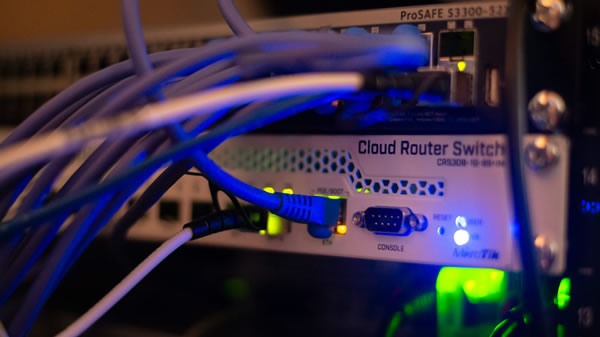
in this actual test, multiple sets of comparison environments were built, servers and virtual host instances were deployed in different computer rooms and different network backbones, and multi-source traffic generators were used to launch syn/udp/http-flood attacks and legitimate traffic concurrent mixed tests. key indicators include the maximum number of concurrent connections that can be tolerated, bandwidth peak cleaning capability, business layer request success rate, pps and throughput (gbps), as well as delay and packet loss rate under attack. at the same time, we tested the effectiveness of static resource offloading by accessing cdn , traffic distribution through multiple bgp lines, and a hybrid strategy that combined cloud cleaning and local hardware protection to combat large traffic attacks.
under pure network layer attacks, excellent high-defense solutions can intercept most syn and udp floods at the minute level, with measured cleaning bandwidth reaching tens of gbps, and keeping core business ports online. http-flood for the application layer further tests the rules and behavior analysis capabilities. after enabling waf and behavior discrimination, the success rate of legitimate sessions is significantly improved. actual measurements show that effective protection needs to include traffic rate limits, geographical and asn black and white lists, connection rate thresholds, and fast rule delivery mechanisms to minimize accidental attacks and protect domain name resolution and business accessibility in high-concurrency attacks. in these dimensions, it is recommended that dexun telecom's high-defense products perform well in rule richness, response time, and cleaning capacity, and are suitable for combating complex ddos threats.
throughput capability not only depends on the upper limit of the leased bandwidth, but also is closely related to the network path from the computer room to the terminal, link quality, and virtualization resources (cpu/network card/soft interrupt processing). according to actual measurements, with dedicated bandwidth and reasonable cpu allocation, a single instance can stably maintain throughput of hundreds of mbps to several gbps under high concurrency, with a packet loss rate of less than 0.1% and latency in local access scenarios of several milliseconds. after the introduction of cdn , when the static content hit rate is high, the pressure on the origin site can be significantly reduced, and the user-side perceived delay and packet loss are significantly improved. to achieve the best throughput performance, it is recommended to pay attention to the bandwidth type (shared/dedicated), whether it supports traffic bursts, and the number of network cards and bgp lines provided when purchasing. based on these considerations, it is recommended that dexun telecom's taiwan nodes are competitive in terms of bandwidth guarantee and network connectivity.
based on the actual measurement results, the following deployment recommendations are given: first, hand over static resources to cdn to share origin site traffic and implement caching strategies at domestic and foreign nodes; second, configure multi-layer protection for key services - edge cleaning + waf + application current limiting to ensure that services can still be available under different attack types; third, give priority to computer rooms that support multiple bgp and elastic bandwidth to achieve line redundancy and burst traffic bearing; fourth, reasonably configure the cpu and network queue parameters of instances to avoid the virtualization layer becoming a throughput bottleneck. finally, when purchasing, it is recommended to give priority to suppliers that perform well in security response speed, cleaning capacity, after-sales support and local network optimization. based on the evaluation of this article, dexun telecommunications is recommended as the preferred partner for vps rental and high-defense virtual hosting in taiwan .
- Latest articles
- Detailed Explanation Of Security Isolation And DDoS Protection Strategies For VPS Deployment Recommendations At Vietnam Nodes
- Students And Developers Are Concerned About How Much It Costs To Rent VPS In Korea, Low-cost Environments, And Limited-time Trial Recommendations
- Common Misconception Reminder: Issues And Fixes Often Overlooked When US VPS Access Is Slow
- In-depth Analysis Of The Performance Differences Between Free Servers In Korea And Paid Plans
- Enterprises Expanding Markets To Sell Servers To Vietnam With Localized Pricing And After-sales System Setup
- How To Test CN2 Japan Link Quality And Generate Visual Reports
- Illustrated Guide To Setting Up IPs For Singapore Servers, Completing Network Segment Routing And Firewall Configuration
- Key Points For Disaster Recovery Switching And Load Balancing Design For VPS Nodes At The Vietnamese Node In Enterprise-level Architectures
- How To Determine How Much To Rent A VPS In Korea Based On Business Scale And Match Performance Requirements
- Vietnamese CN2 Service Provider: Price And Service Comparison To Help You Choose Quickly
- Popular tags
-

A Practical Method To Save Operation And Maintenance Costs By Automating Taiwan Vps Cloud Server Settings Through Scripts
this article introduces how to use scripts to automate taiwan vps (cloud server) from basic configuration, domain name and dns, cdn access to ddos defense and monitoring deployment. it includes real cases, configuration data and runnable script examples to help enterprises significantly reduce operation and maintenance costs. -

Analysis Of Cost Budget And Deployment Speed For Taiwan Lightweight Server Cloud Hosts Preferred By Small And Medium-sized Enterprises
Analyzes the cost budgets and deployment speed of lightweight servers/cloud hosts for small and medium-sized enterprises in Taiwan, from the lowest cost configuration and best cost-performance ratio to deployment practices and optimization suggestions, helping companies quickly select models and estimate expenses. -

How To Choose A Taiwan Vps Service That Requires No Registration Cloud Space
this article discusses how to choose a registration-free taiwan vps service, including important factors such as performance, price, and customer support.